


Introduction
The New Suez Canal represents a monumental expansion of Egypt’s historic shipping artery, transforming it into not only a vital maritime route but also the backbone of a sprawling logistics and industrial ecosystem. This strategically located corridor connecting the Mediterranean Sea to the Red Sea has become a hub for international trade and investment. suezcanal.gov.eg
What Is the New Suez Canal?
The New Suez Canal project expanded the original waterway by adding a parallel channel and widening key passages, significantly increasing capacity and allowing for more efficient two‑way maritime traffic. This upgrade was designed to reduce transit times and accommodate larger ships, strengthening the canal’s role in the global supply chain. suezcanal.gov.eg
Suez Canal Economic Zone (SCZONE): The Logistics Hub
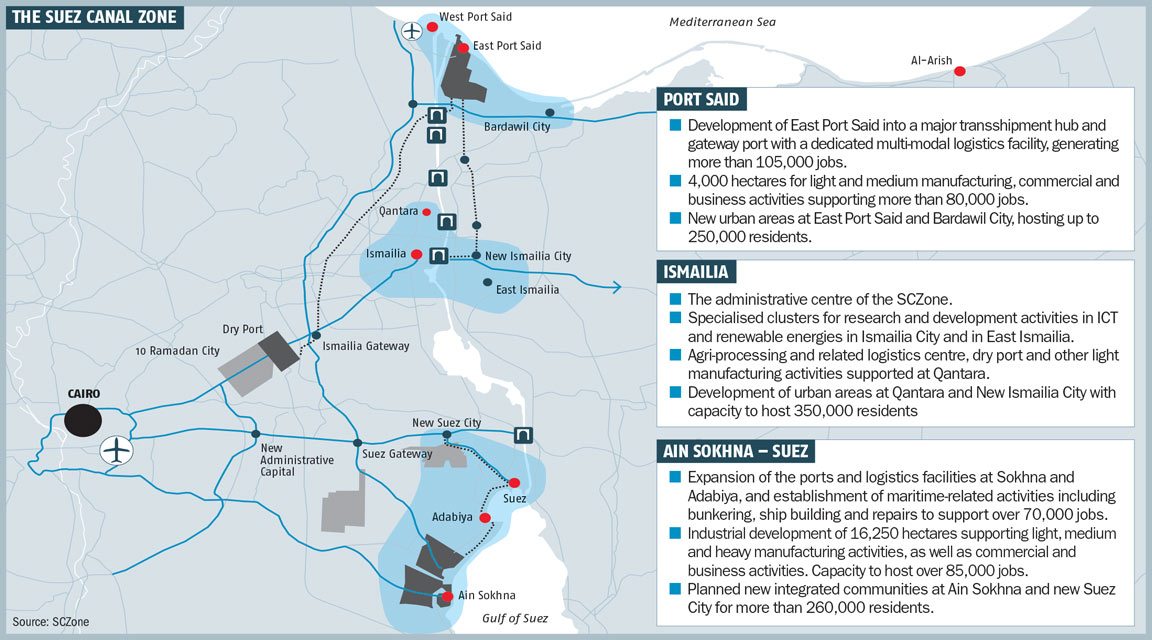
The Suez Canal Economic Zone (SCZONE) is one of the most ambitious developments tied to the New Suez Canal. It stretches along both banks of the canal and spans over 460+ square kilometers, strategically positioned where thousands of ships pass annually between Europe, Asia, and Africa. Wikipedia
Why SCZONE Matters
SCZONE is designed to attract global investors by combining world‑class logistics infrastructure, industrial zones, and multiple deepwater ports. It offers special economic regulations and incentives aimed at boosting manufacturing, trading, and supply chain services. sczone.eg
Key Logistic and Industrial Areas
1. East Port Said Logistics and Industrial Zone
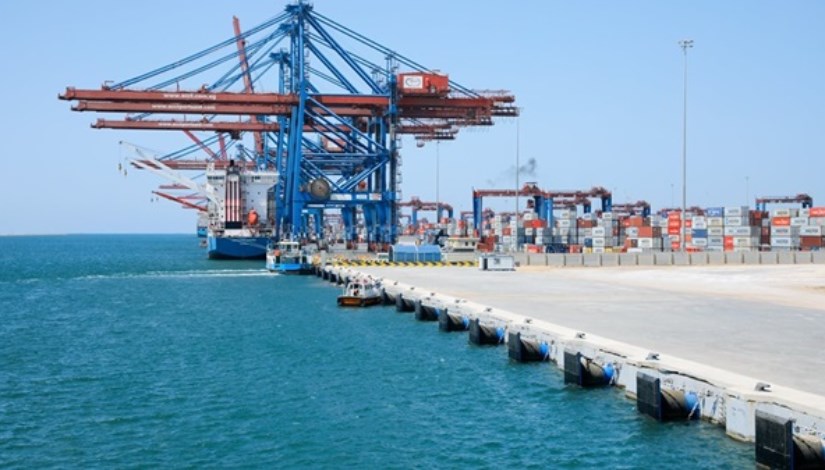
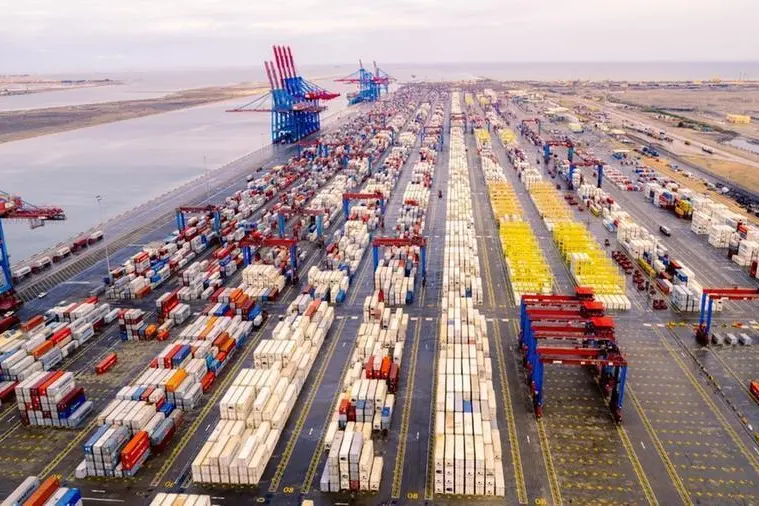
Located at the northern entrance of the canal, this zone links the Mediterranean trade routes with global shipping lanes. It hosts manufacturing, warehousing, and distribution facilities supporting export‑oriented industries. sczone.eg
2. Ismailia and East Ismailia Industrial Zone
Positioned centrally along the canal, these areas serve as commercial and industrial hubs with access to road, rail, and water transport modes. They support a range of sectors, from technology and logistics to light manufacturing. sczone.eg
3. Ain Sokhna Port and Eastern Logistic Zone
Ain Sokhna on the Red Sea coast serves as a critical gateway to Asian and African markets. Its deep‑water port and expanded logistics infrastructure make it ideal for heavy industry, transshipment, and global supply networks. Ministry of Transport
4. West Port Said and Other Strategic Ports
Other key ports such as West Port Said and Al Adabiya (part of SCZONE) support multipurpose cargo, container traffic, and dry bulk commodities, strengthening Egypt’s position as a logistics enhancer for global trade. sczone.eg
Economic and Strategic Impacts
Boost to Global Trade
The New Suez Canal and the logistic zones reduce bottlenecks for container vessels, improving efficiency and reliability for international shippers. suezcanal.gov.eg
Attracting Foreign Investment
With modern infrastructure, tax incentives, and ease‑of‑doing‑business reforms, the SCZONE attracts multinational companies looking for efficient connections between continents. sczone.eg
Job Creation and Development
Industrial and logistics expansion across SCZONE has led to investment in manufacturing facilities, warehousing, and port services, stimulating local employment and economic growth. Wikipedia
Strategic Trade Positioning
Strategically located at the shortest maritime route between Europe and Asia, the New Suez Canal continues to cement Egypt’s status as a global trade hub—connecting major supply chains and diversifying economic activity. sczone.eg
Conclusion
The New Suez Canal and its associated logistic zones are not just infrastructure projects—they are economic catalysts that power international commerce. By fostering industrial development, enhancing port capacity, and enabling faster, more reliable trade routes, Egypt is positioning itself as a pivotal logistics and trade center for the 21st century.
No comment